Welcome to Auto-Grow

Gallery: Real Builds by me.

Photos from the tents. Homemade systems, MS Paint comparisons, and successful harvests. All made with recycled parts, minimal inputs, and maximum attention.

Email me for contact purposes.

Donate to propagate the cause at Me ole go-fund-me

Examples
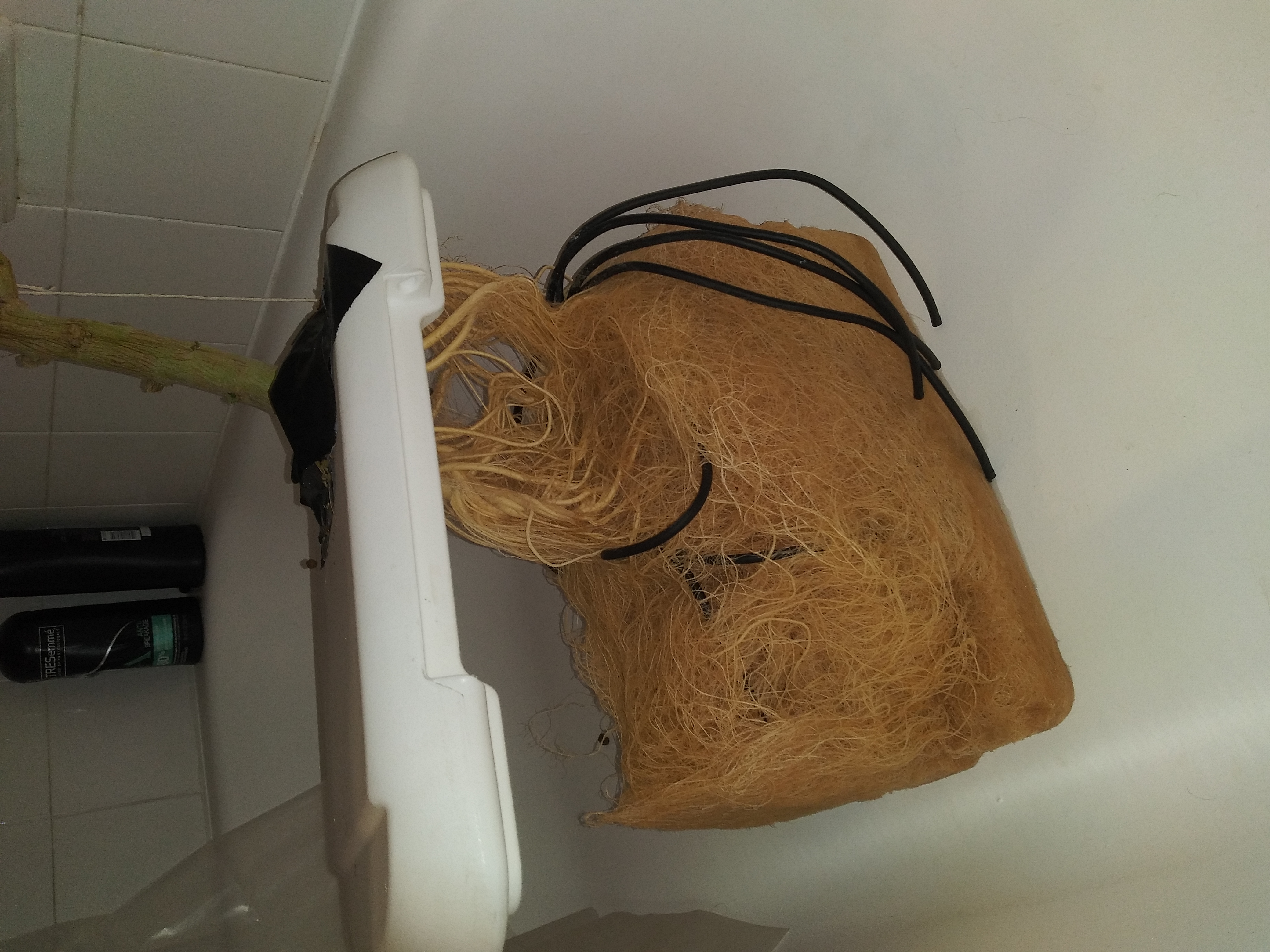
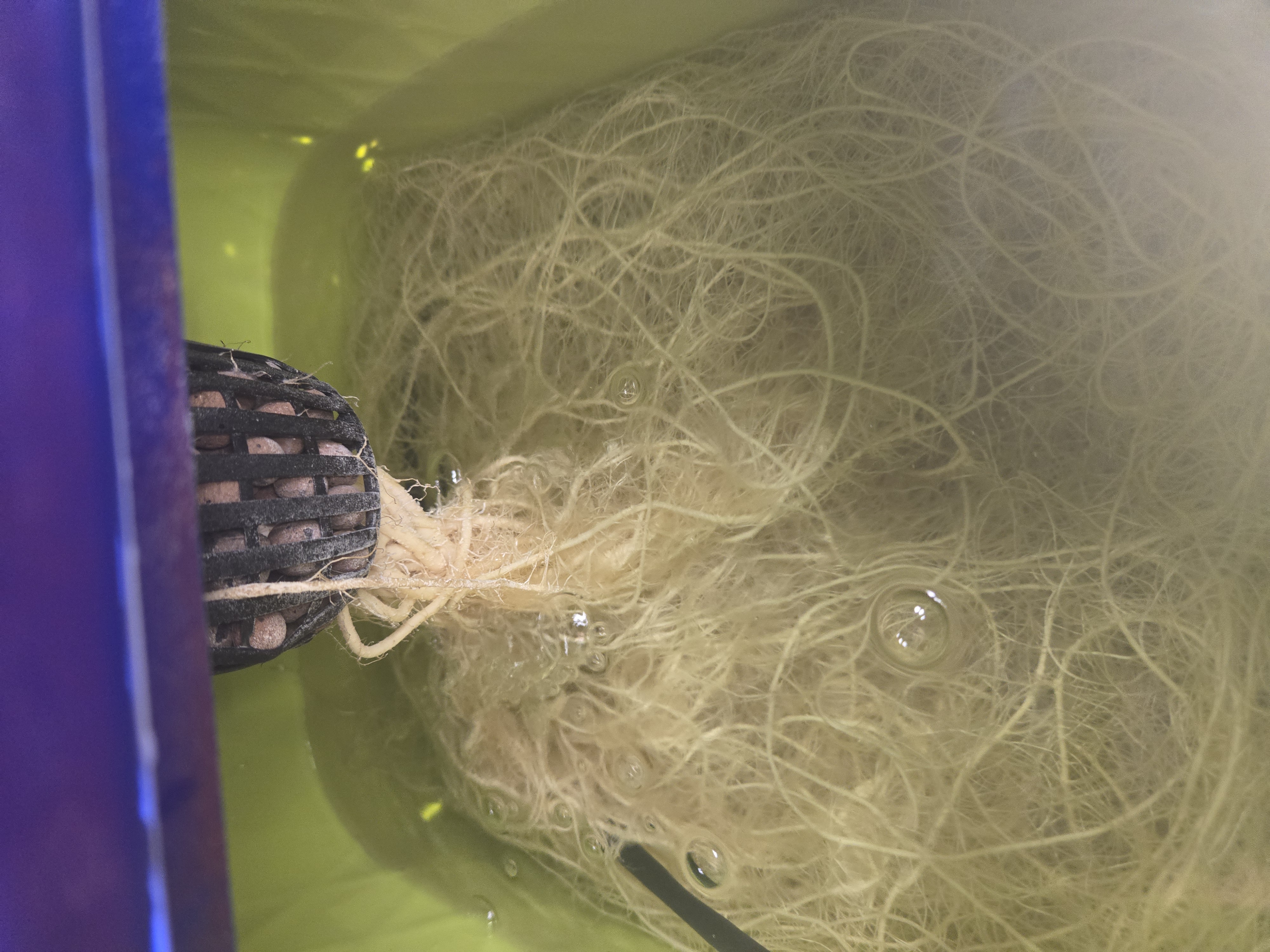
3.5 gallon deep water culture tomato reservoir roots. 110 days old.
Examples
Outdoor 5 gallon deep water culture cherry tomato plant. Roughly 72 days old.
Examples
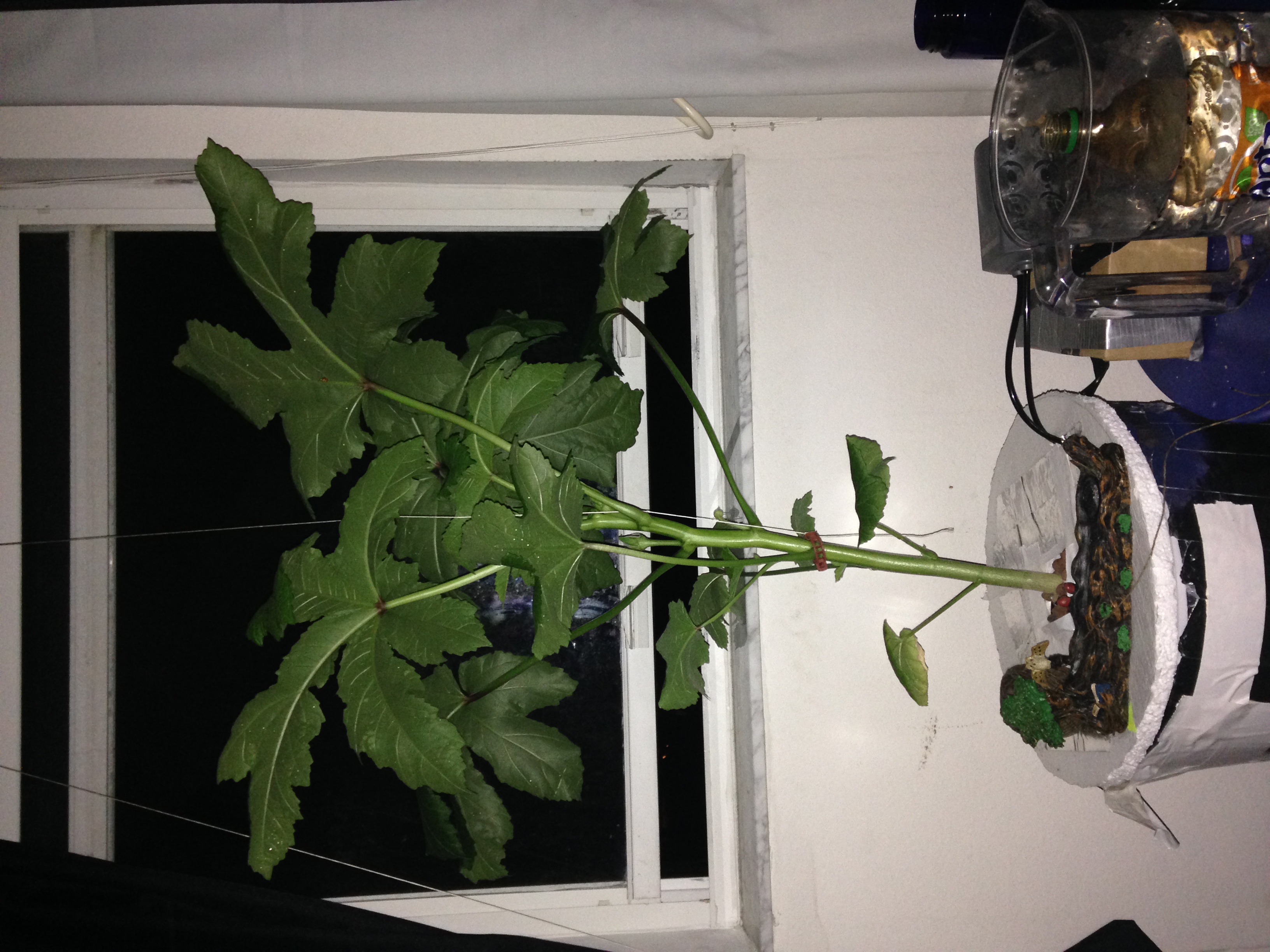
Okra in a 15 gallon trash can maintained at 7 gallons. Deep water culture.
Examples
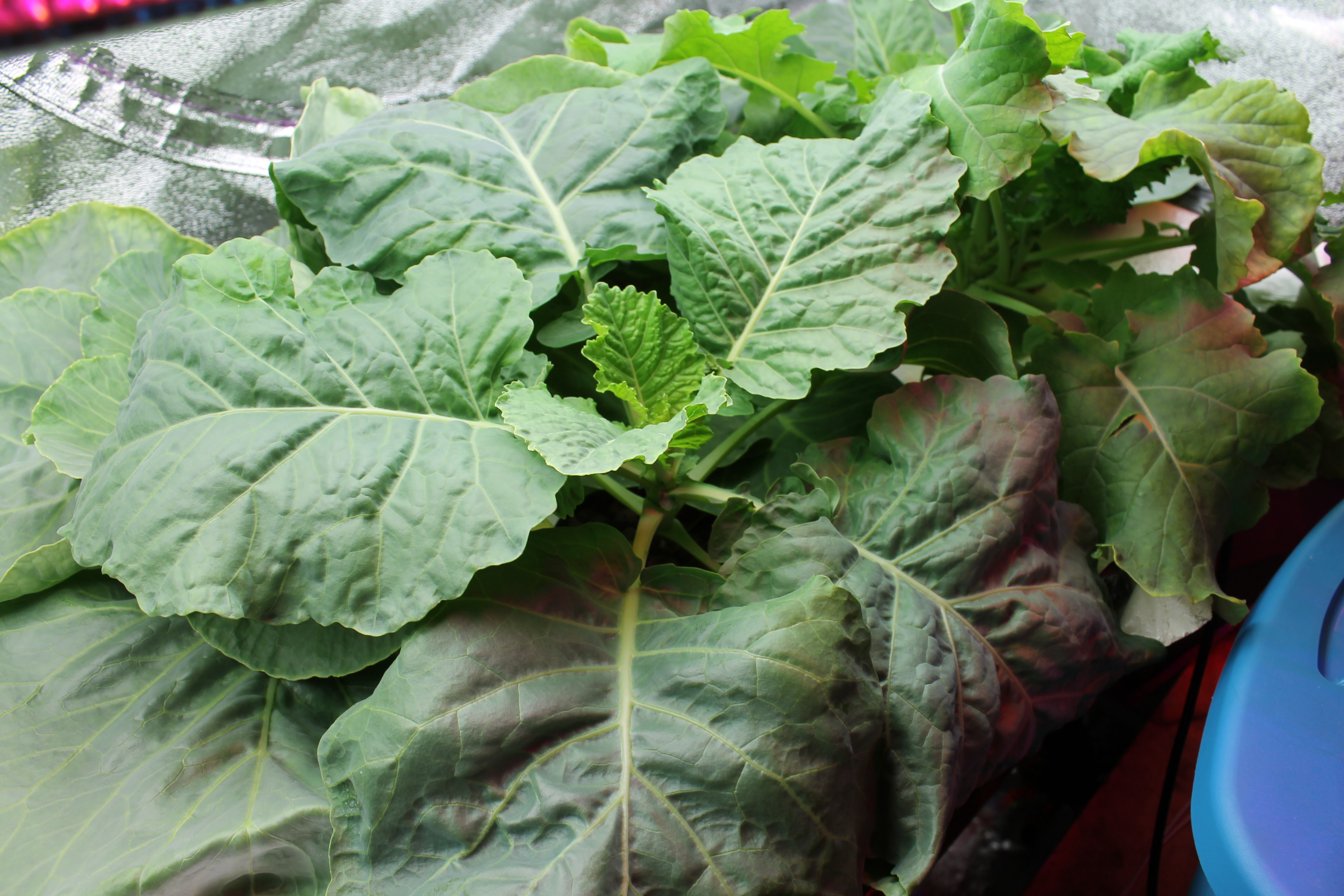
1 cabbage and 2 collard greens in the back in a 15 gallon deep water culture.
Examples
An outdoor DWC tomato photo comparison from 24 days to 75 days.
Examples
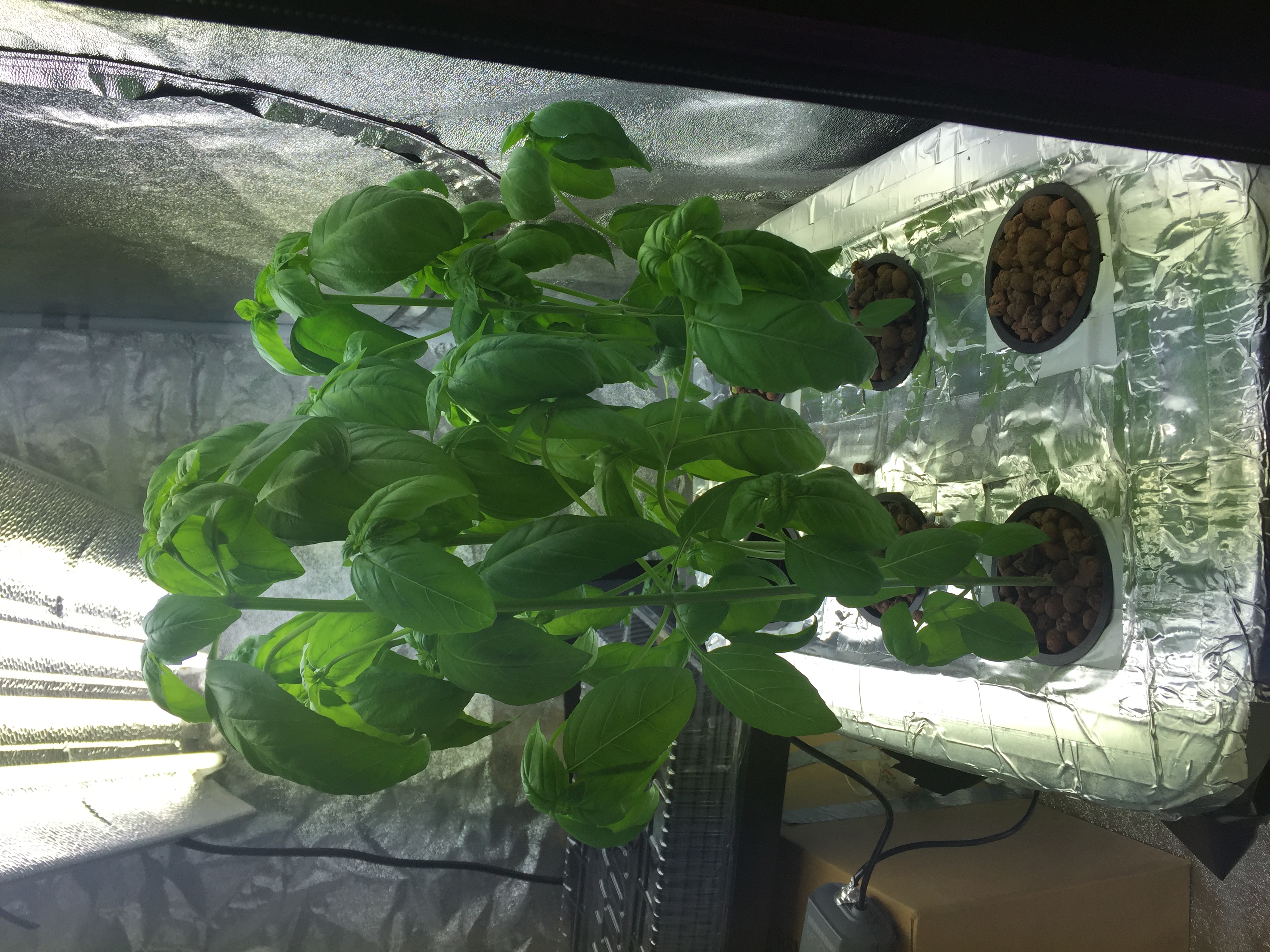
Deep water culture basil in a 8 gallon reservoir.
Examples
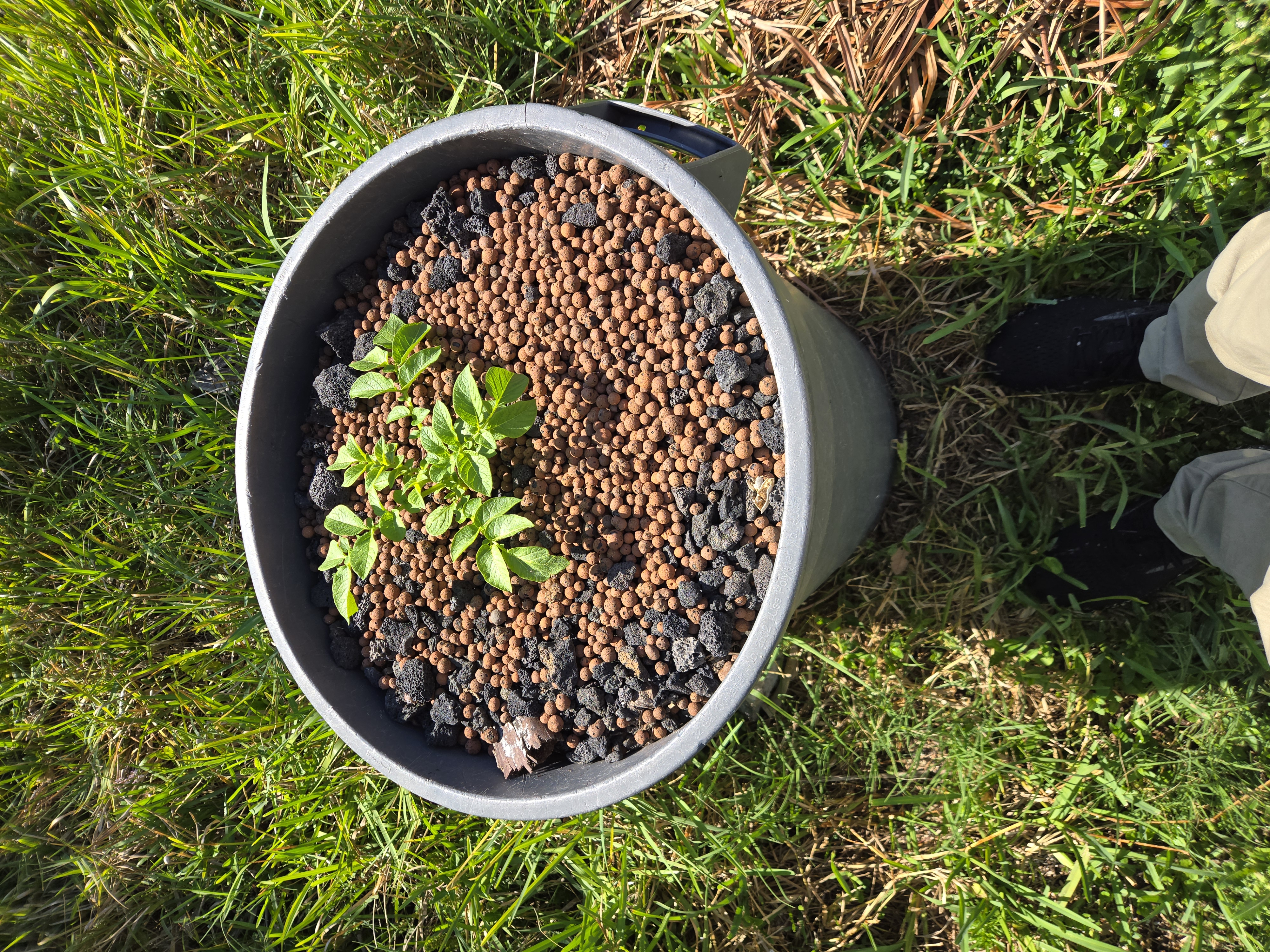
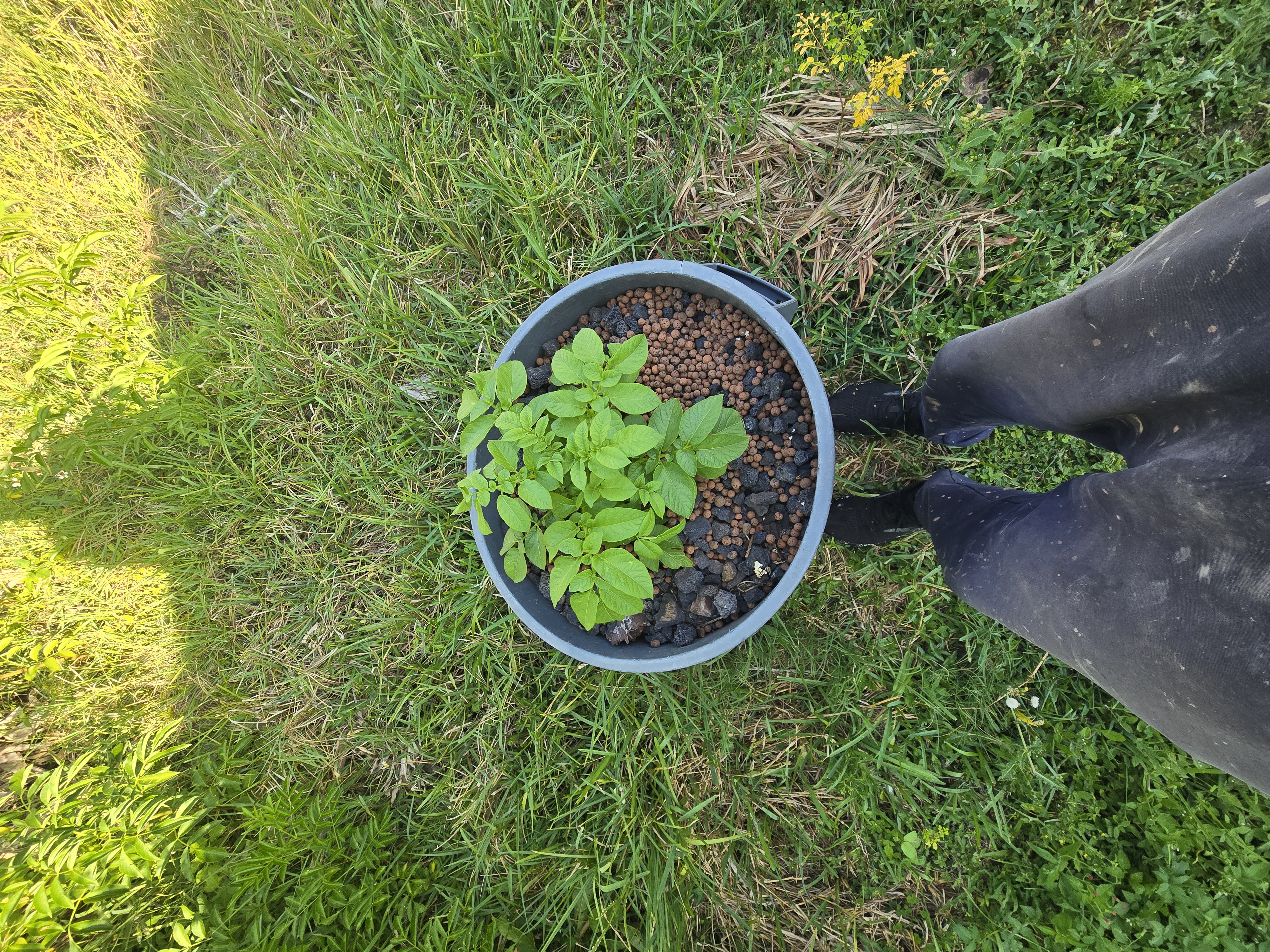
Potato in a bin.
Examples"
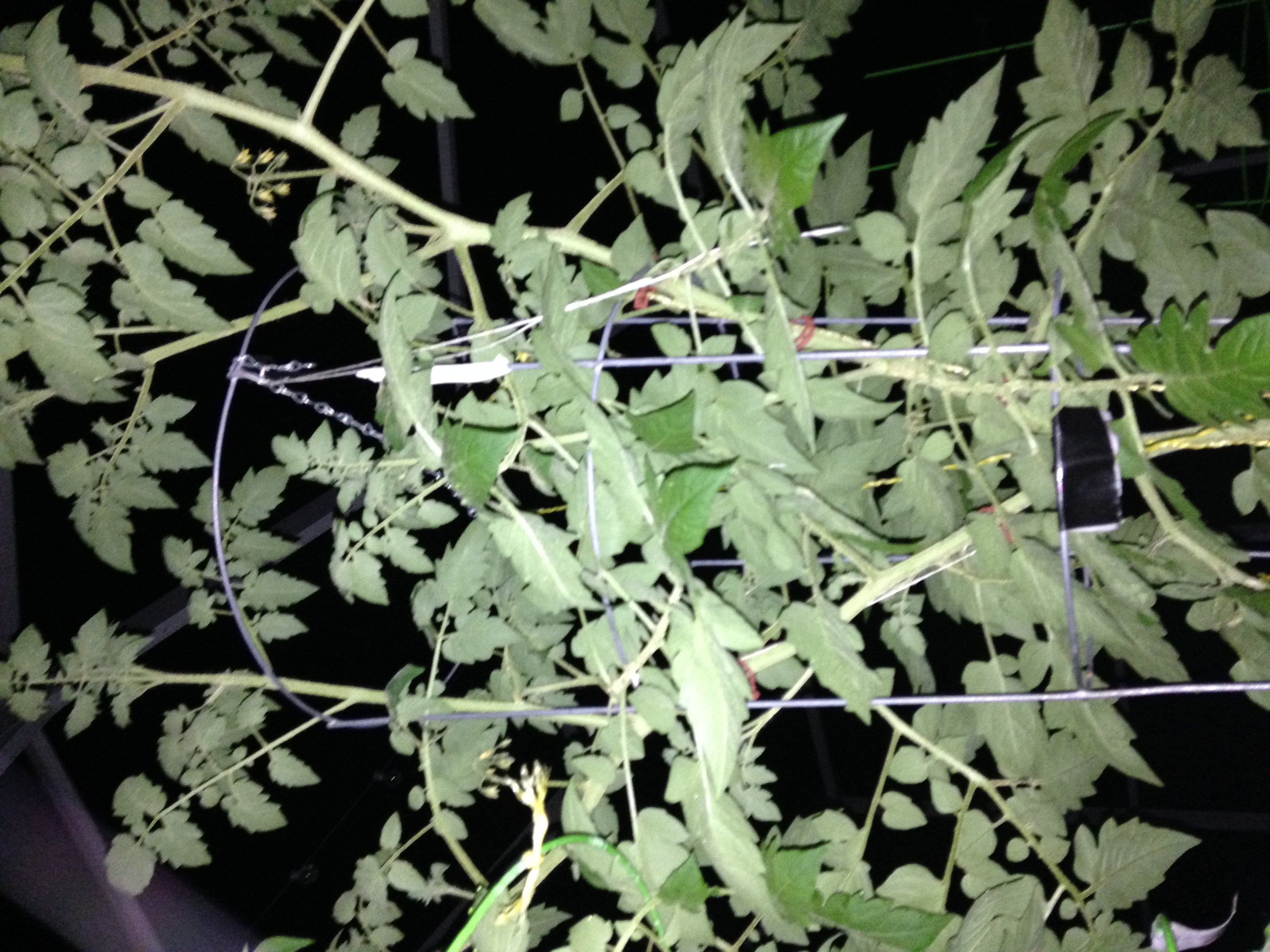
15 gallon cooler deep water culture tomato plant maintained at 9 gallons. 126 days
Examples"
Potato in a bin got a little bigger.
Examples"
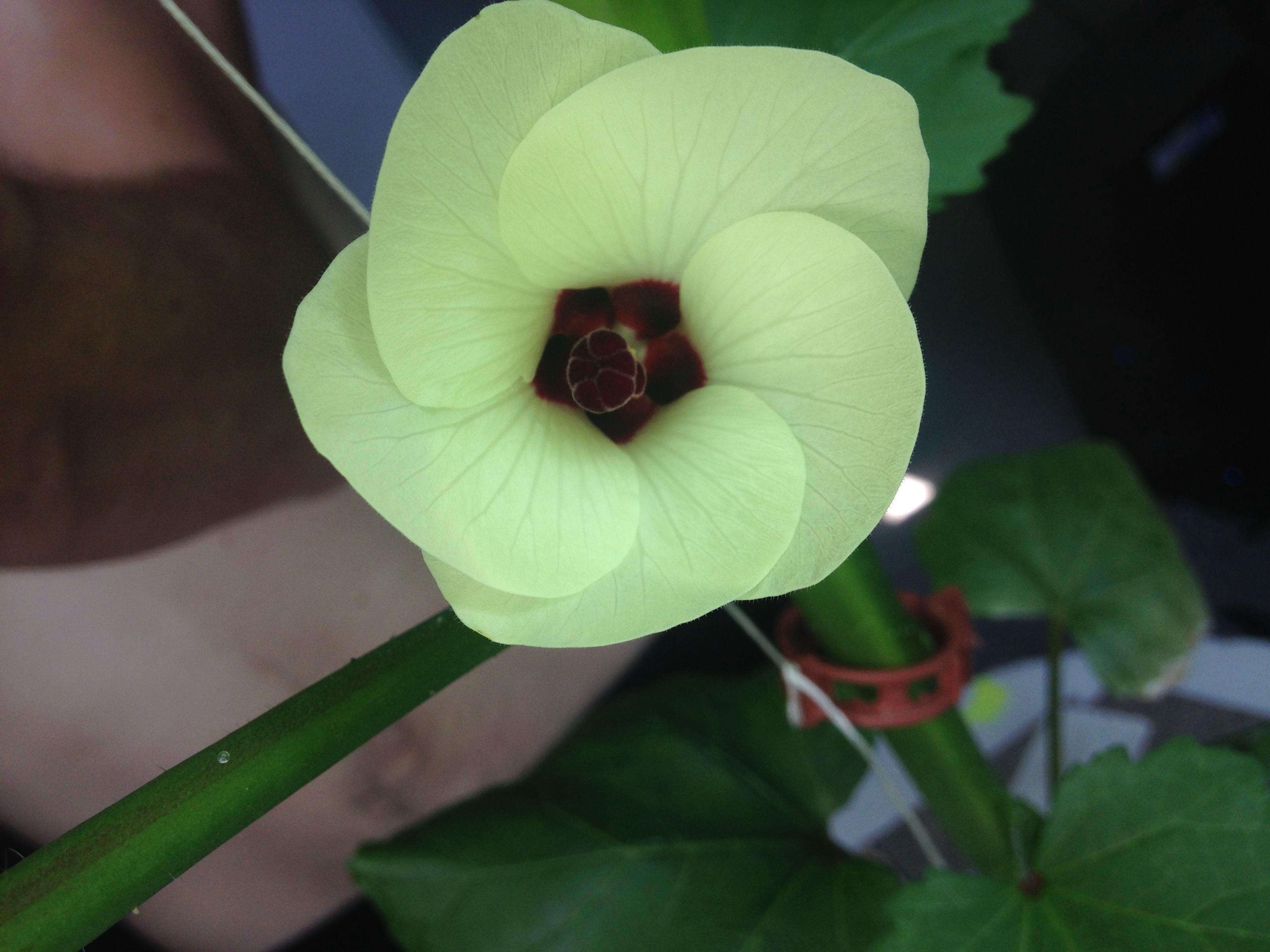
Okra bloom, from the before pictured okra.
Examples"
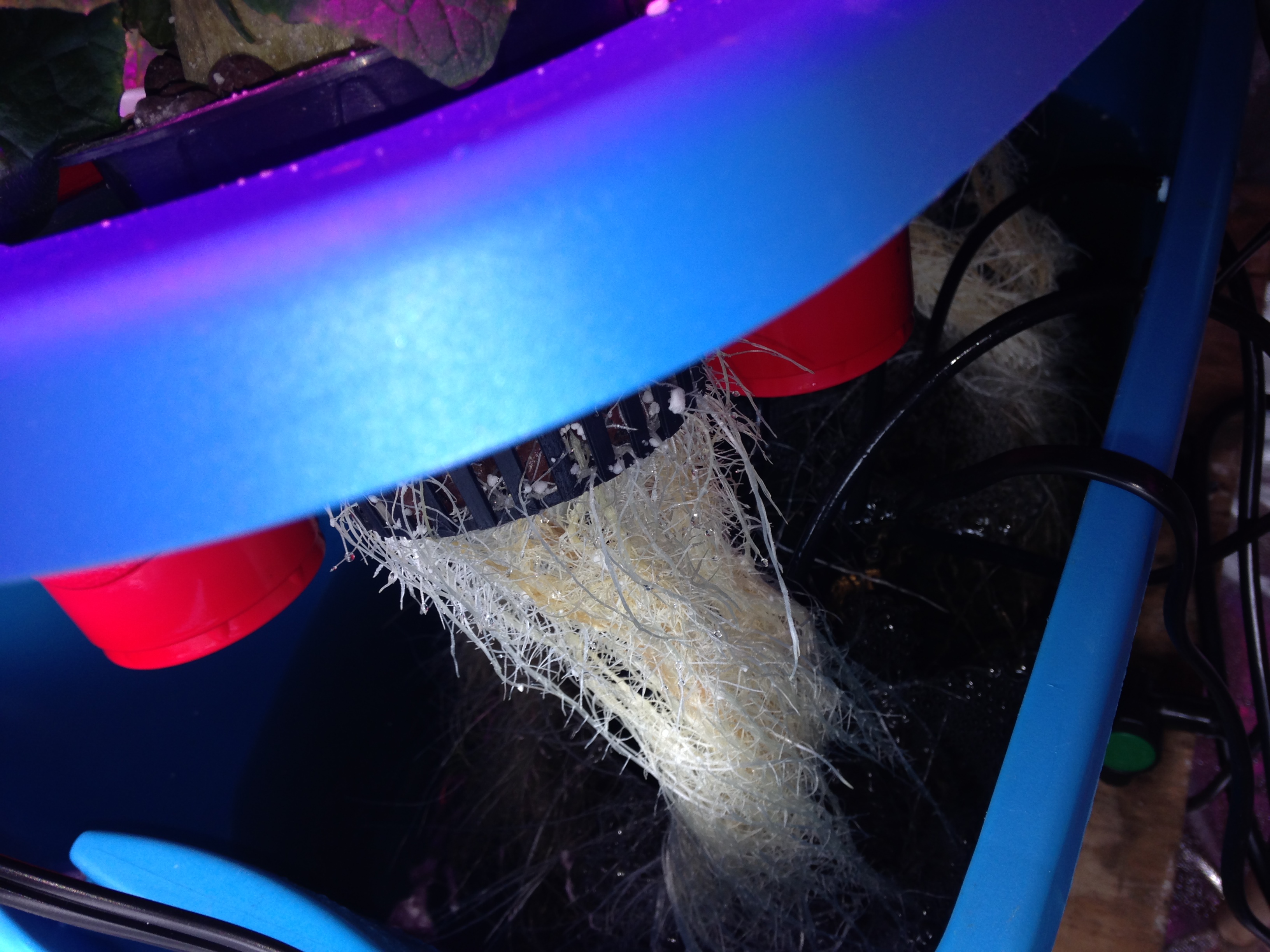
Cucumber roots in a 8 gallon deep water culture.
Examples"
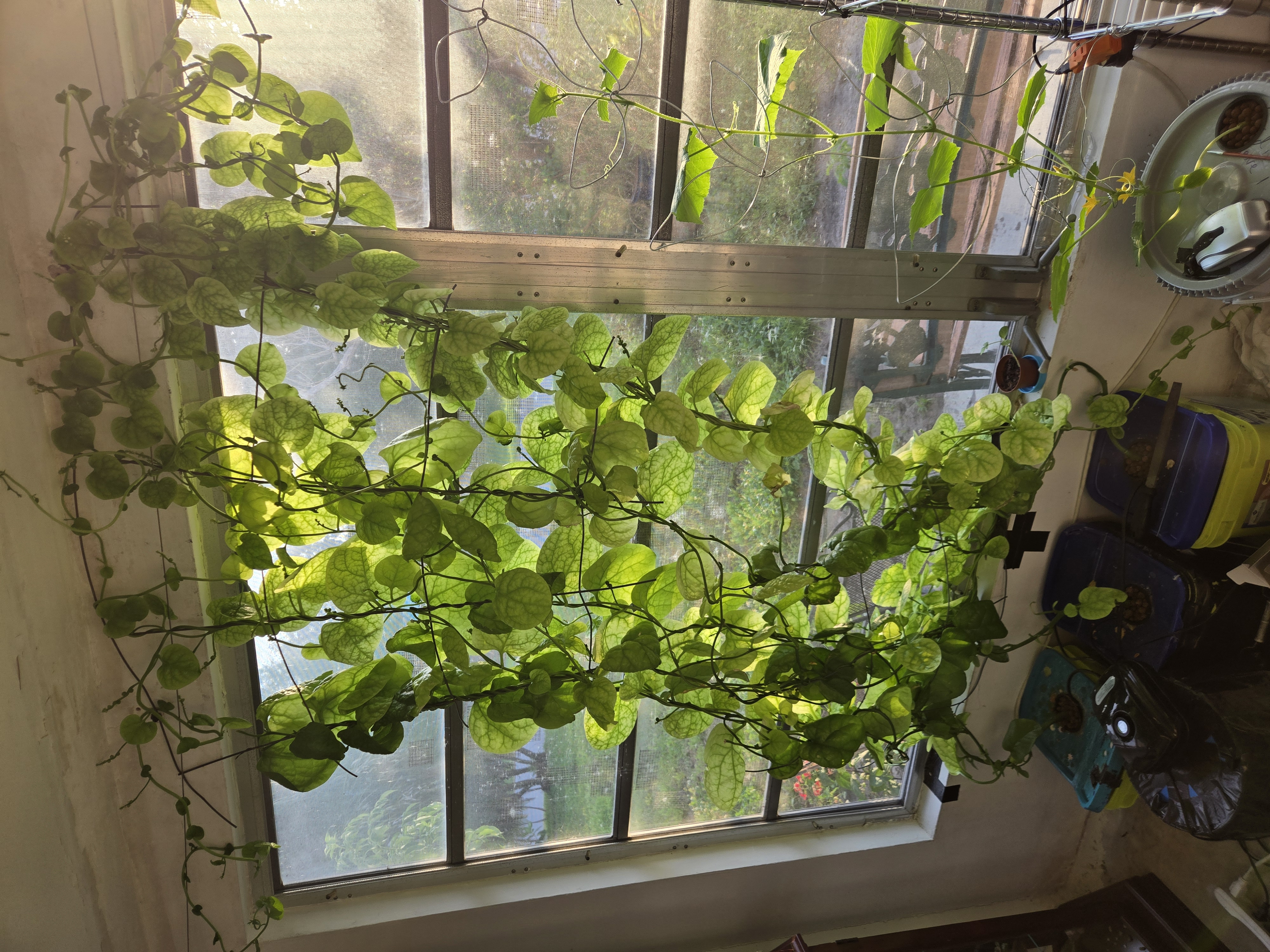
3 Malabar Spinach plants on the left in 3.5 gallon deep water culture reservoirs. 1 Cucumber in a DWC on the right but with a 6.5 gallon reservoir.
Examples"
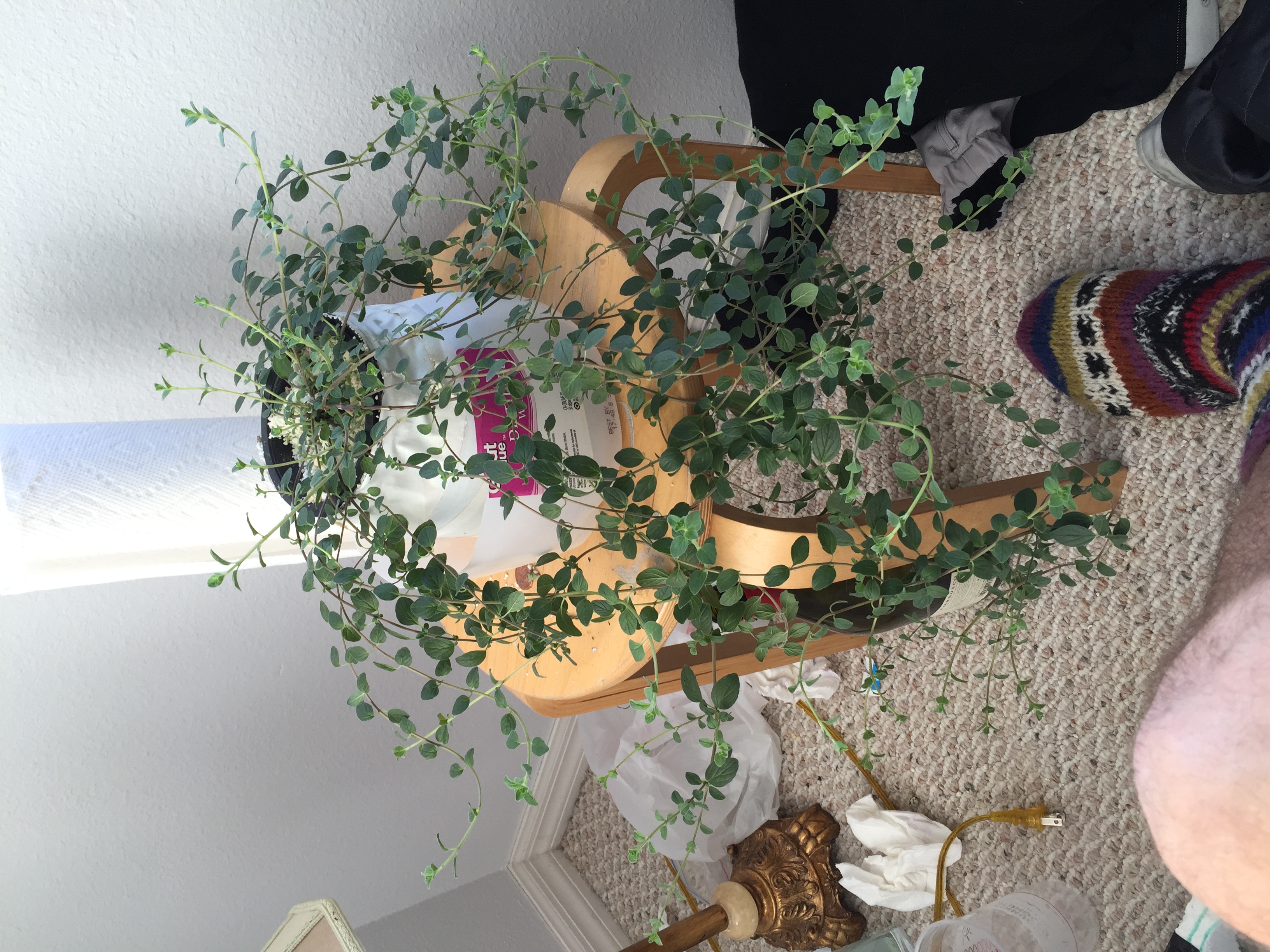
Oregano in a nut container with holes in a flood and drain tray. Grown in perlite.
Examples"
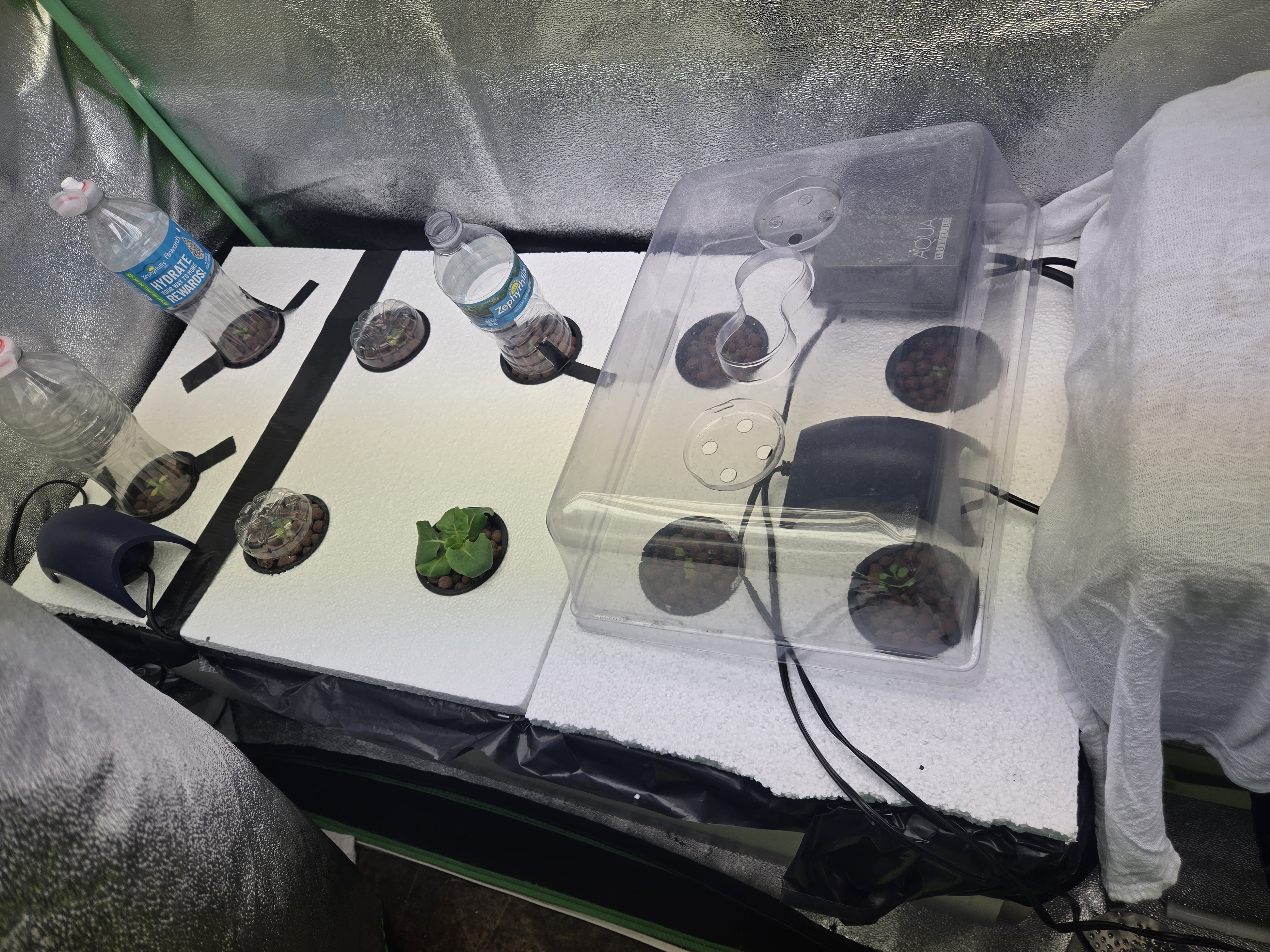
Lettuce seedlings in a 8 gallon reservoir. Made from spare wood and 6mm black plastic.
Examples"
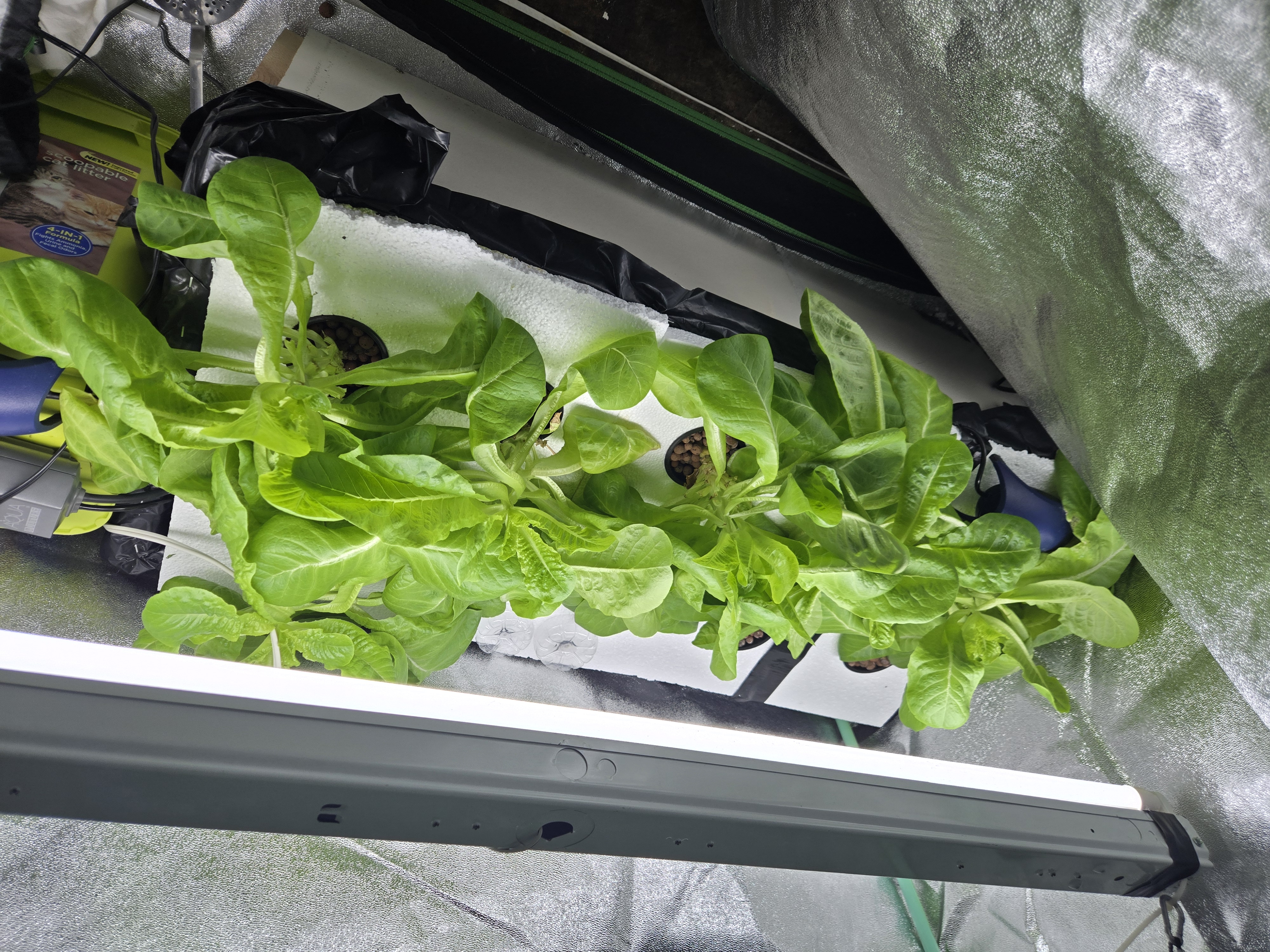
Lettuce before I cut 226 grams for personal consumption. May 27th this picture was taken, Just about 60 days after that initial photo, I had been harvesting leaves from these guys everyday prior to this for sandwiches. This was a picture before maybe the 2nd or third harvest I had done to this crop. I harvested this reservoir continuously for its life cycle until it bolted on me in early July due to high temperatures in my grow space.
Examples"
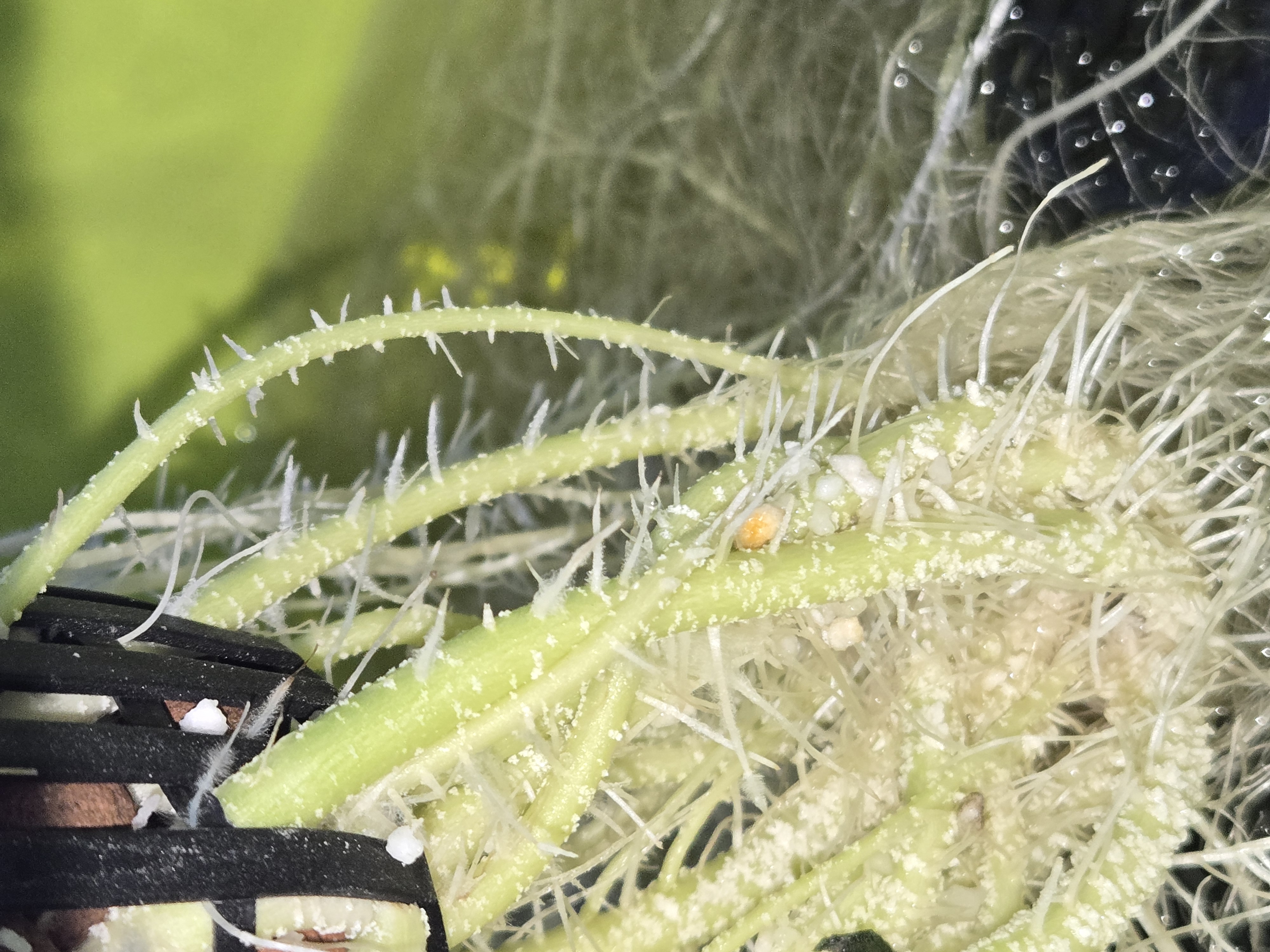
Roots being green. Could be microbes, could be not enough light-proofing. Plant was fine regardless. 3.5 gallon DWC reservoir.

Auto-Grow is a philosophy and a system. The goal is to decentralize agriculture, using hydroponics as a low-input, self-sustaining model for food, medicine, and air purification.

We believe in teaching people how to grow healthy plants with:

The Requirements of the DecentralizedAg proposition

-Love and Understanding.

1- Black plastic, 6mm, 6' by 100'. $36.97- For the light proofing of reservoirs. For the improvisation and creation of reservoirs with incompatible materials. 2- A random plastic container to start growing. I have a lot to spare for the first 10 customers or so, but after that one will have to purchase them or source them. $0-$170 (200 gallon IBC totes is the max im setting here) 3-Lights- All white LED bar lights from 22W to 44W can easily grow 10 heads of lettuce. Its all about angle of incidence, AKA can you position all the lights exactly where you want them. If growing flowering crops, a more intense or variable(spectrum+timing) light source will be needed. Vegetative crops are all very easy and low maintenance. (Vegetative=leaves, flowering= fruits/veggies/root crops). The cost here is roughly $1/ watt of light. However this price is decreasing fast, and then increasing fast again because of political reasons. I purchased a 70W LED light for 45 dollars 2 weeks ago. Indicating a drop to 0.64 cents/ watt of light. Its quite variant, and even a lot of free LEDS can be had from local failed grow attempts.

4- Air- You must either have air conditioning here in florida, or some means of venting. If you arent going to condition your air, you have to accept the local flora as being your range of potential crops. Point being- you must do something to to air, whether its building a greenhouse with fans and openable flaps, or putting up shade screen so your tomatos dont get roasted in the day and crack at night. The movement of air around crops is essential and often not enough in outdoor natural environments. I use carbon filters to adsorb water and pollutants out of the air. I use inline fans to move air out the top. I use dehumidifiers to remove water from over-populated areas. The air is easily overlooked, and easily the 2nd most important thing. I think of it like this, a plant cant drink, if the air is 100% RH. Plants dont drink the same way you and I do, they are much more privy to the environment and they use things like diffusion and gradients in order to do work.

5-Water- Finding a solid water source is also challenging. Local water companies may sell filtered water by the gallon for 5 gallon jugs, 3 gallon jugs, or 1 gallon jugs for 25cents a gallon. But this is becoming less feasible and I presume I will see an increase in this cost as the cost of everything will artificially increase soon. Not to fret though, there are many ways to filter water yourself. From trees and grapevine Xylems to carbon-sand biofilters, to just making a whole damn still. Its very doable. But, its always easier to outsource ones weaknesses. 25c a gallon is my cost. You dont want to use water that has a large amount of calcium of chloramines in it because it will negatively affect ion absorption and overall leaf turgor. Calcium is super important in the plant so for there to be an excessive amount can be a problem, especially considering that too much of any one thing- will cause imbalances in another.

6-Salts- I called them nutrients above but in reality they are just ionic salts. In the same way that NaCl is a salt, so is Mg2SO4*7H2O. Ive done a lot of experimenting with salt ratios, raw amounts, differing concentrations, rotating applications, time of application, etc. I have even RAG trained an open source LLM on hydroponic textbooks and some handwritten guidelines for my microbe assisted, low-ppm, swing approach. It is the smallest part of importance in terms of caring for the plant, often times in nature the plant can make the element it needs in the soil available through excretion of root enzymes/acids or by forming symbiotic relationships with microbes. I make use of both of these things in a hdyroponic reservoir. I let it swing its pH and read what it wants (reference mulder's chart for a rough idea of pH: element availability). Its absolutely crucial to use good salts of known quality. Centrifuge/distill/titrate them out yourself(not that hard just time consuming and capital consuming), or buy solid dry mixes that you can test yourself. For 5 lbs of N-P-K and micro mix, 5 lbs of Mg2SO4, 5 lbs of calcium nitrate, and some potassium silicate- youre looking at 5 lbs of masterblend- $20, 5lbs of calcium nitrate- $15, 5lbs of Mg2SO4 $15 online, but cheaper in the store, Potassium Silicate- A dry Lb costs about 20-30 bucks, whereas the liquid stuff in a smaller overall amount costs 21 dollars a bottle, liquid is easier to use, powder is more labor but better solubility usually. So 70-80 bucks total. At the rate I have been using my fertilizer (less than a Lb per year to grow upwards of 20 plants a year), it costs me roughly $16 dollars a year for my fertilizer costs. Its such a non factor in cost Ive begun researching how to produce some of the salts locally out of my own compost. Another essay.

7-Environmental- This means adding air pumps and stones for the reservoirs, theyre cheap and easily maintained. 1W per gallon is a good ratio. Could also apply to sealing and insulation for protection from elements/pests. Also quite cheap and mostly a labor expense. Air pumps are usually 10-25 dollars, and the stones are 2-3 dollars a piece, maybe more depending on size.

In conclusion- renting a place and mass producing one crop would be folly. It is that practice that has made the US agriculture as weak as it is today. I wish to integrate plants back into peoples everyday lives. They can pay me to take care of it, interact with an AI with tooling to measure and adjust for them, or do it themselves and Ill teach them. I dont care about how people do it, I just care that they do it and stop accepting mediocrity in our agriculture. I will not make generalized and inaccurate claims of what I can produce for you. Each situation is different, and each one has to be approached with different priorities. Its why growing coffee is cheaper in certain regions- they have to input less to make it grow. We are already air conditioning, and heating cast spaces. Why not use that energy to produce something instead of creating more consumer spaces?

Founding Growers Program

We're looking for a few brave growers who want to try something new — for free.

Apply to be a Founding Grower

Biology Basics: What Plants Actually Do

Welcome to the deep end. This section breaks down the biological systems behind hydroponics, as interpreted through real-world practice—not just textbooks.

1. Transpiration

Plants breathe. They do this through a process called transpiration.

Water is pulled from the roots, up through the xylem and phloem, and exits the plant through stomata—tiny pores on leaves, flowers, and stems. But it’s not just water they move. This flow carries nearly all of their nutritional input. Most growers don’t fully grasp this: nutrient absorption is driven by water movement. Transpiration is how plants eat, breathe, and live.

People use a metric called VPD (Vapor Pressure Deficit) to try to understand this relationship. But VPD is flawed. It ignores salinity, ion content, magnetic influences, and—most importantly—plant genetics. It’s a half-measure for something deeply dynamic.

If you want to truly grow well, learn to observe:

Watch your plants. Smell them. Touch them. Don’t rely on sensors alone. This is where the art meets the science.

Temperature matters. Your reservoir water should stay within ±5°F of ambient air. Why?

I use a swing approach—lowering temps to clear pathogens, raising them to boost growth. It’s not about stability. It’s about control. Dynamic control.

Transpiration is the most important variable I track. I measure:

That’s how you grow like a pro. That’s how you understand biology. Not in theory, but in practice. In touch.
2. Fertilizer & Salts

This topic has been debated endlessly, studied to death, and I’ve read way too much about it. But let’s cut through the noise:

Everything you feed your plant will become your plant. And that starts with the salts you dissolve into water.

EC matters. The electrical conductivity of the solution gives you a hint, but it’s just the surface. You also need to know:

Microbes can help. They affix nutrients, build symbiosis, and unlock bioavailability in exchange for sugars. But even the best microbes can’t fix a bad fertilizer choice.

💧 Liquid vs. Dry Fertilizer

Skip the liquids. They’re often impure, they precipitate out over time, and they have short shelf lives. Basic chemistry: if your nutrients fall out of solution, your plants can't use them. Dry mix is better. Always fresh mix.

🔢 NPK Ratios & pH Targeting

Too much P over time = lockout, precipitates, flushing required. Don’t fall for the bloom booster hype.

Micronutrients matter. Chelated Fe, Zn, Mn, Cu, B, Mo. If you use tap water, you might already have some — just keep the pH low enough for availability.

📉 pH Behavior Means Something

If your pH is dropping while ppm stays low → likely missing a micronutrient. Feed. If pH is steady → keep it steady. Top off with water, rebalance pH, add 1 drop of H₂O₂.

🧪 Secret Weapons

🧂 The Core Formula

I even make my own acid mix: 75% phosphoric + citric acid blend for pH down — same as GH pH Down, without the branding.

That’s the real rundown. Don’t get lost in marketing. Use real ingredients, fresh mixed, and observe what your plants actually do.

Amendment: Hydro Pulsing - A Dynamic Response to Ion Antagonism

In the Ion Antagonism section, we've explored how nutrient ions, despite being essential, can compete with one another and cause imbalances in plant uptake. High concentrations of one element (e.g., potassium) can block the absorption of others (e.g., calcium or magnesium), and these interactions are especially problematic in dynamic hydroponic systems where ions are changing due to plant and environmental demands on an everchanging scale.

Hydro Pulsing: The Adaptive Mechanism

Hydro Pulsing is a technique developed to exploit osmotic dynamics and diffusion gradients to encourage nutrient uptake while actively counteracting ionic antagonism. Rather than maintaining a constant nutrient concentration, Hydro Pulsing involves periodically introducing a small volume of higher-concentration nutrient solution into a larger body of low-ppm base water.

This creates a temporary osmotic pull, a directional flux that enhances solute mobility and triggers active ion transport in the root zone. Roots respond not only to availability, but to change, to gradient, to flow.

Why It Works

Integration with Antagonism Theory

Most nutrient lockouts occur because concentrations remain high and unmoving. Static EC becomes stale. Nutrients fight for membrane space without resolution.

Hydro Pulsing breaks this stalemate by periodically introducing directionality to a kinetic event. It allows weaker or suppressed ions to be picked up when the gradient temporarily favors them.

The Result

A more resilient, responsive root zone that continuously adapts to the plant's needs, rather than forcing the plant to adapt to a chemical stalemate. Hydro Pulsing embraces the idea that nutrient availability is not just about quantity it's about motion.

Suggested Use

Hydro Pulsing reframes feeding as a dialogue, not a declaration. It invites the plant to respond, adapt, and thrive, all while reducing excess and improving sustainability.

3. Stress Responses

Plants show stress. They scream it, actually — if you know what to look for. Here are the big three stress signals I monitor: leaves, roots, and form.

🌀 Morphological Stress

All of these are signs of something missing — often calcium (for cell wall formation), sometimes a microbial issue, sometimes just explosive growth waiting for nutrients to catch up via the transpiration stream.

As always: observe. Context matters. Was there a temp swing? A feed change? Diagnose based on pattern, not panic.

🌿 Leaf Stress

If your leaves are yelling at you — don’t just spray. Read them. They’re telling you what’s wrong.

🧪 Root Stress

Here’s a trick: if your reservoir pH drops dramatically in one day, your roots are dumping acid.

This usually means they’re trying to make a nutrient more available — something they need that only dissolves better at low pH. What do you do?

Root health is everything. Here’s the check:

Bad smells = bad microbes. Algae, anaerobic rot, or contamination. Your reservoir should not smell like swamp salad. No chlorophyll belongs down there.

Stress isn’t failure. It’s feedback. If you learn to read it — and react with precision — you’ll grow with confidence, even when things go sideways.

4. Be Consistent

If you aren’t consistent — your plants will be. But not in the way you want.

In the absence of stability, their morphogenetic programming kicks in: survival mode. They’ll accelerate into flowering, senescence, and death. It’s not panic — it’s calculation. Plants are never idle. They are listening, watching, and analyzing every single day.

We forget this because they move slowly. But that’s our mistake — not theirs. Plants weigh every environmental signal fully, and then respond biochemically with elegance and precision.

They respond to:

They are not asleep. They are not dumb. They are the slowest-moving chemical geniuses on this planet.

🧬 Morphogenesis: Their Default Mode

Plants can lose half their body, get eaten, trampled, sun-scorched — and still find a way to reproduce. Their ability to remap form and strategy under stress is unmatched in the animal world. They are shape-shifters made of sugar and sunlight.

☠️ The Silent War

We douse them in pesticides, growth regulators, and synthetic hormones. We try to dominate them, not listen to them. But they aren’t helpless.

They are the chemical warfare specialists of this planet. They’ve been evolving toxins, scents, and secret codes for 400 million years. They’ll outlast us if we continue to misunderstand them.

- Recycled Systems

"Hydroponics is part science, part scavenger hunt."

- Recommended Materials

- Tools of the Trade

- Pro Tips from the Field

- The Philosophy

"The mechanical and physical aspects of hydroponics are infuriating, and immensely satisfying."
This is where creativity thrives. You can endlessly improve, reimagine, and adapt systems using trash, tools, and know-how.

- Cation vs. Anion Balance

Understanding how nutrients interact in solution is key to hydroponic success. Below are the most well-documented antagonistic and synergistic ion pairs based on practical cultivation data.

- Antagonistic Ion Pairs

When one ion is in excess, it inhibits the uptake of another.

Excess IonInhibited Ion(s)
Nitrogen (NO3- / NH4+)Potassium (K+), Calcium (Ca2+)
Manganese (Mn2+)Iron (Fe2+/Fe3+), Molybdenum (MoO42?), Magnesium (Mg2+)
Potassium (K+)Nitrogen (NO3-/NH4+), Calcium (Ca2+), Magnesium (Mg2+)
Copper (Cu2+)Molybdenum (MoO42-), Iron (Fe2+/Fe3+), Manganese (Mn2+), Zinc (Zn2+)
Phosphorus (H2PO4-/HPO42-)Zinc (Zn2+), Iron (Fe2+/Fe3+), Copper (Cu2+)
Zinc (Zn2+)Iron (Fe2+/Fe3+), Manganese (Mn2+)
Calcium (Ca2+)Boron (B(OH)4)- (at above pH 6, below this boron exists as a weak acid (B (OH)3), Magnesium (Mg2+), Phosphorus (H2PO4?/HPO42?)
Molybdenum (MoO42-)Copper (Cu2+), Iron (Fe2+/Fe3+)
Magnesium (Mg2+)Calcium (Ca2+), Potassium (K+)
Sodium (Na+)Potassium (K+), Calcium (Ca2+), Magnesium (Mg2+)
Ammonium (NH4+)Calcium (Ca2+), Copper (Cu2+)
Iron (Fe2+/Fe3+)Manganese (Mn2+)
Aluminum (Al3+)Phosphorus (H2PO4-/HPO42-)
Sulfur (SO42-)Molybdenum (MoO42-)

- Synergistic Ion Pairs

These pairs enhance each others uptake or utility in plant metabolism.

Ion AIon BEffect
Calcium (Ca2+)Potassium (K+)Improves mutual uptake and osmotic balance
Calcium (Ca2+)Iron (Fe2+/Fe3+)Promotes Fe utilization in cell walls
Calcium (Ca2+)Magnesium (Mg2+)Jointly regulate turgor and enzymes
Calcium (Ca2+)Boron (B)Enables Ca cross-linking in cell walls
Calcium (Ca2+)Nitrogen (NO3-/NH4+)Enhances N assimilation via root structure
Nitrogen (NO3-/NH4+)Phosphorus (H2PO4-/HPO42-)Together produce amplified yield responses
Nitrogen (NO3-/NH4+)Potassium (K+)Boosts protein synthesis, reduces N waste
Potassium (K+)Magnesium (Mg2+)Enhances photosynthesis and nutrient metabolism
Potassium (K+)Iron (Fe2+/Fe3+)Helps maintain membrane potential for Fe uptake
DWC Pre-Made Plans - Pricing

// PRE-MADE DWC SYSTEMS

Complete hydroponic setups. Everything needed to grow 2 tomato plants and 1 basil. No guessing. No missing parts. Just results.

Budget Build

$221

Recycled buckets, no carbon filter

  • 2'×4'×6' Mylar-lined tent (5 vent ports)
  • 2 tomato + 1 basil plant capacity
  • 140W LED lighting (2×70W VIPARSPECTRA)
  • 3×3.5gal DWC buckets w/ lids
  • 3 air pumps (1.2W each)
  • 3 air stones + 3/8" air line
  • 3 net cups + rockwool cubes
  • 2×37W inline duct fans

Complete Build

$310

New components, carbon filter included

  • 2'×4'×6' Mylar-lined tent (5 vent ports)
  • 2 tomato + 1 basil plant capacity
  • 140W LED lighting (2×70W VIPARSPECTRA)
  • 3×3.5gal new buckets w/ lids
  • 3 air pumps (1.2W each)
  • 3 air stones + 3/8" air line
  • 3 net cups + rockwool cubes
  • 2×37W inline duct fans
  • Carbon filter (odor control)

After setup, monthly costs:

Electricity (lights 14h, fans, pumps 24h) $15.66
Nutrients + Water (per 4mo cycle) ~$1.25-2.00
Total Monthly ~$17.00

* Based on 0.17¢/kWh electricity rate. 89.88 kWh/month total draw.

This is a one-time investment

The tent will last 10+ years. The fans, pumps, lights, buckets—all multi-use. I'm still using buckets from my first grow. The only consumables are rockwool cubes (one-time per plant) and occasionally net cups if plants outgrow them.

The plastic buckets only become unusable if contaminated, exposed to excessive UV, or some other weakening agent. Otherwise they last a decade minimum. Air pumps and fans can fail if not cleaned—take apart fan blades and wipe them down, wash the air pump diaphragm filter (small white fabric patch on underside) occasionally.

Pro tip: Check local marketplaces for used gear. Lots of people give up on tents due to daily care requirements. You can often find quality equipment cheap.

Available Configurations

Standard 2'×4' tent fits 3 DWC plants. Mix and match. Your choice:

Default

2 Tomatoes + 1 Basil

Herb Set A

Basil, Rosemary, Oregano

Herb Set B

Oregano, Thyme, Cilantro

All Tomato

3 Tomato Plants

All Cucumber

3 Cucumber Plants

All Okra

3 Okra Plants

Squash + Friend

2 Squash + 1 Marigold

Triple Mix

Cucumber, Tomato, Squash

Lettuce Rig

Loose leaf, staggered infinite harvest (uses less light)

Custom

Your specification

> Want root vegetables? Larger 4'×4' tents? Multi-tent systems for perpetual harvests? All configurable. This is just the entry point.

Get a Quote

Submit a Grow Idea